
Engagement Week – Day 3
Collaboration That Actually Works

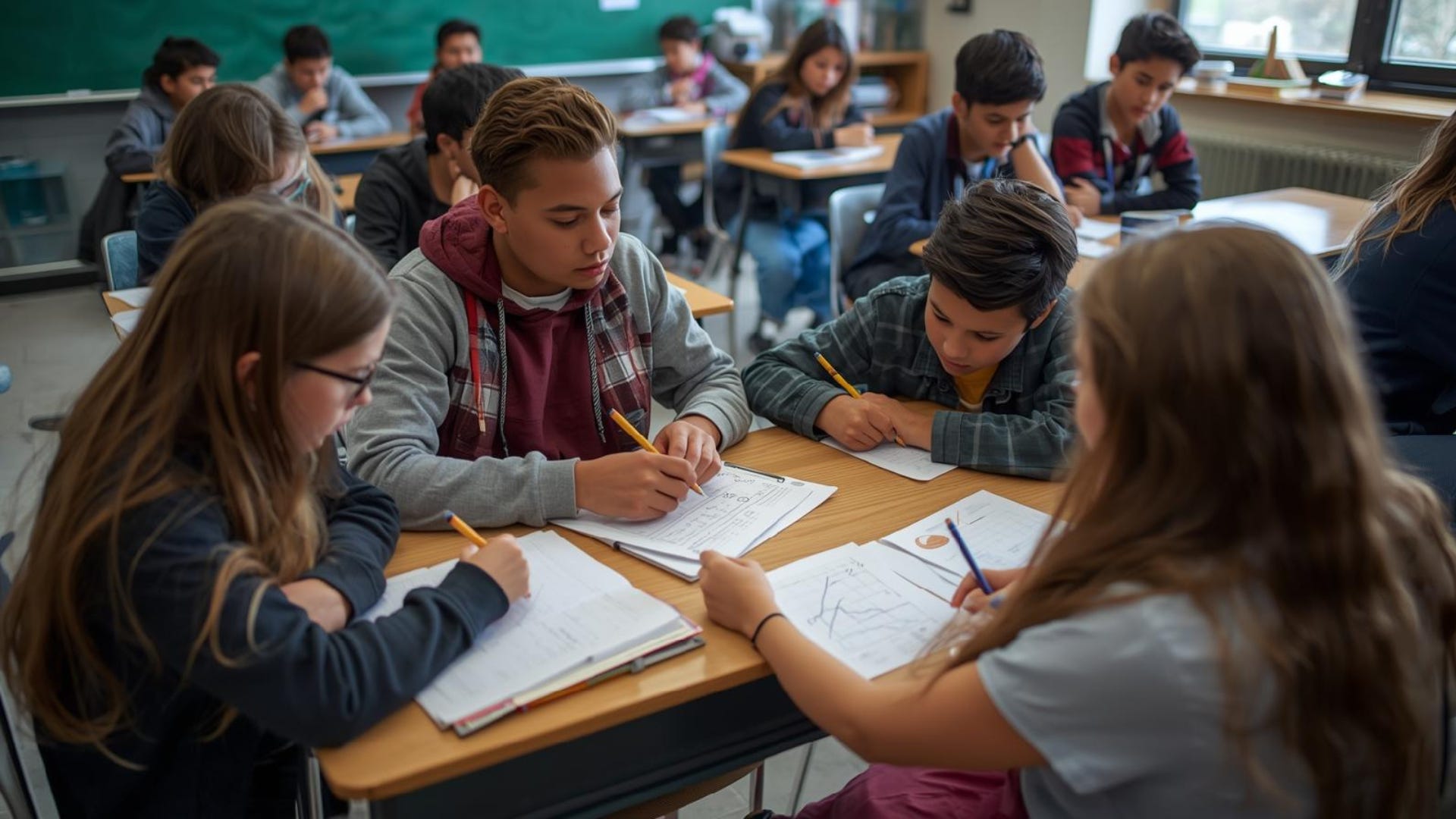
Group work has a reputation problem in math class.
We’ve all seen it:
one student does all the thinking
one student copies
one student disengages completely
So it’s no surprise that many teachers quietly abandon collaboration altogether. When it doesn’t work, it feels inefficient, chaotic, and unfair.
But here’s the truth I had to learn:
When collaboration fails, it’s almost always a design issue—not a student issue.
Students don’t automatically know how to collaborate mathematically. They need structure, purpose, and shared responsibility.
Why “Work with Your Group” Isn’t Enough
Telling students to “work together” assumes skills many of them don’t yet have.
Without clear structure:
confident students dominate
hesitant students stay silent
speed matters more than thinking
answers replace reasoning
That’s not collaboration.
That’s proximity.
Real engagement comes when students are responsible not just for answers, but for thinking.
The Shift That Made Collaboration Work
The biggest shift I made was moving away from group work that focused on completion and toward collaboration that focused on creation.
Instead of asking groups to:
solve the same problems independently
I began asking them to:
build something together
explain reasoning to one another
agree on why something works before moving on
When students had a shared product or purpose, engagement changed.
What Effective Collaboration Looks Like
Collaboration works best when:
everyone has a role
the task requires discussion
thinking is visible
answers alone aren’t enough
Some structures that consistently support engagement:
assigned roles (explainer, checker, recorder, connector)
tasks where students must agree on reasoning
activities that produce a shared outcome (sorting, matching, building, assembling)
prompts like “Which strategy makes the most sense and why?”
These structures reduce social risk while increasing cognitive engagement.
Why This Builds Engagement
When collaboration is structured:
students talk because they need to, not because they’re told to
quieter students have a defined way to contribute
confident students slow down and explain
misconceptions surface naturally
Engagement grows when responsibility is shared, not spotlighted.
What NOT to Do
Collaboration loses its power when:
roles are vague or optional
one student can complete the task alone
speed is rewarded
groups are expected to self-manage without support
That’s when students disengage—not because they don’t care, but because the system doesn’t protect them.
One Small Shift for Today
Here’s today’s action step:
Choose one task this week and redesign it so students must create something together.
Start small:
require agreement before checking answers
assign one role that focuses on explaining
ask for one written justification from the group
You don’t need longer activities—just clearer purpose.
What’s Coming Tomorrow
Tomorrow, we’ll talk about gamification that motivates without chaos—how structure, not competition, drives engagement.
For today, remember this:
Engagement through collaboration doesn’t come from sitting together.
It comes from thinking together.
Optional reflection:
Where does group work tend to break down in your classroom—roles, purpose, or accountability?